Structural Drying & Dehumidification · Naperville

Structural Drying and Dehumidification in Naperville, IL

After the water is out, the real work begins. We pull moisture from the framing, subfloor, and drywall, then track it daily until your home reads dry.

Free Quote

Free Structural Drying & Dehumidification quote.

We reply within 1 business hour. No spam, ever.

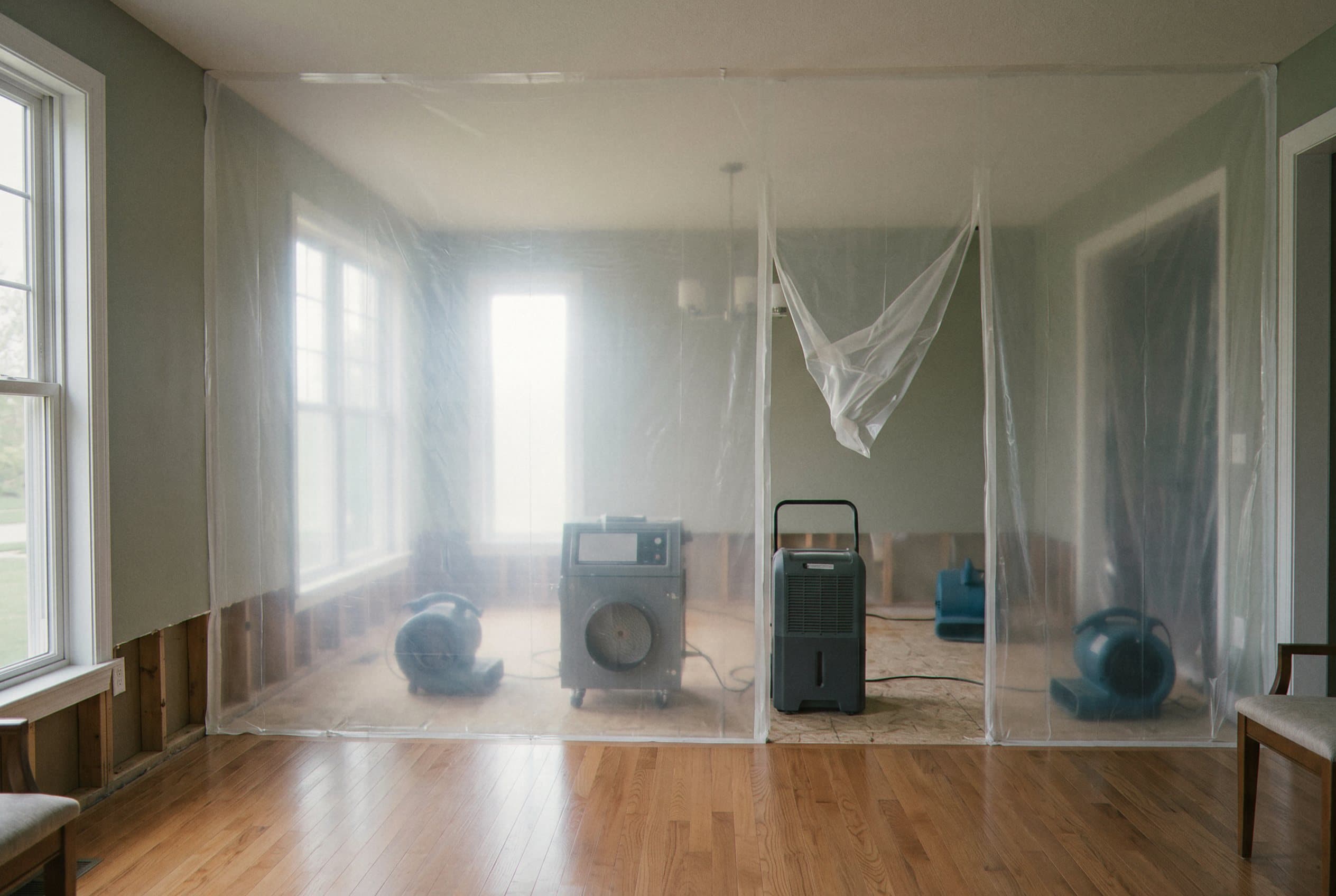
Technician in containment zone with dehumidifier equipment
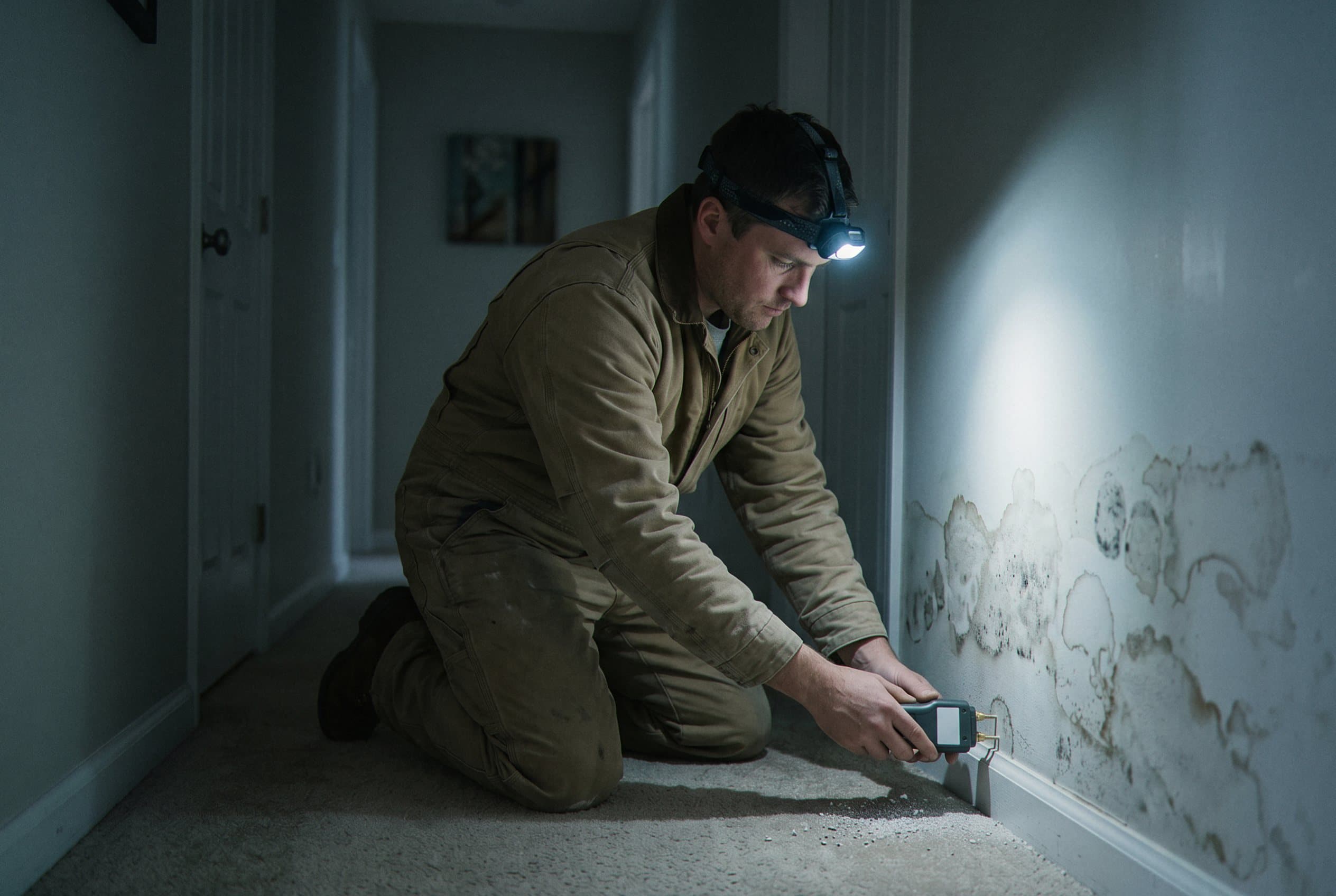
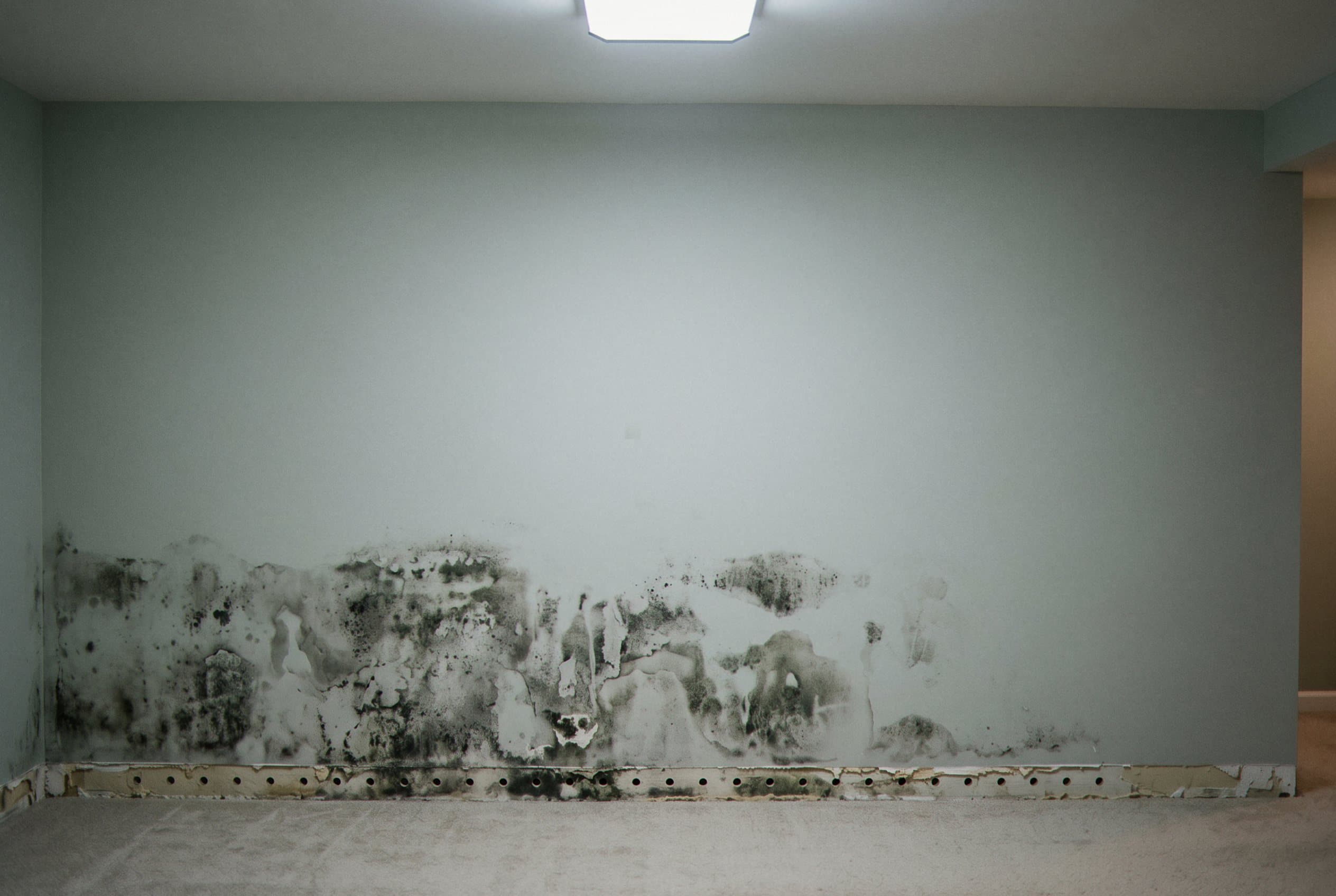
Damp basement wall showing water absorption damage
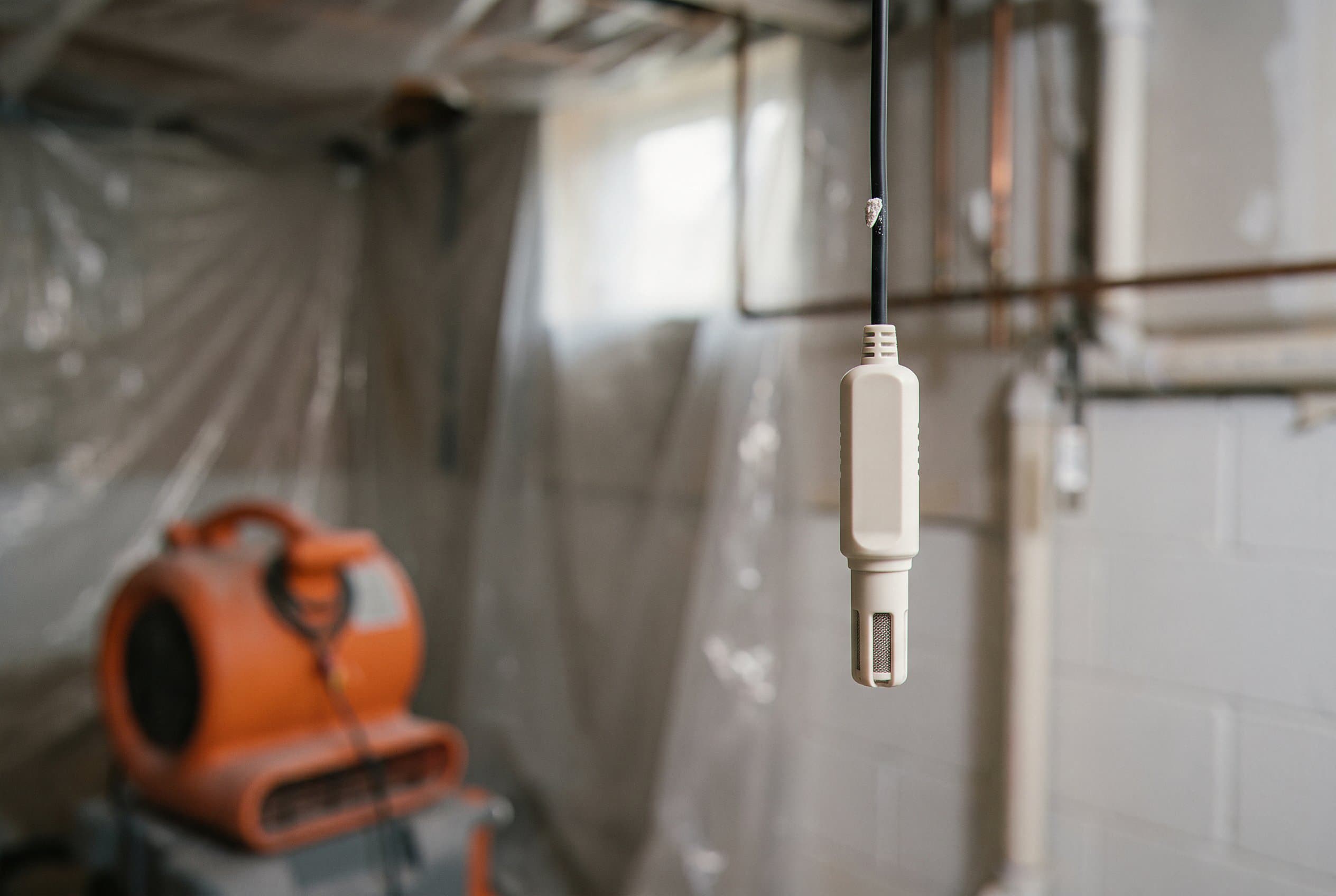
Close-up of moisture meter reading on damp wall
What we install

Why drying the structure matters in Naperville

Water does not stop at the surface. It soaks into wood, drywall, and concrete. It hides inside wall cavities where you cannot see it. In Naperville this happens fast after a heavy spring storm or a sump pump that quits during snowmelt, and that trapped water can sit soaked into the framing for days before anyone down there spots a single sign of it. We have seen basements look dry on top while the bottom plate of the wall stayed wet. That water feeds mold. It warps your floors. So our crew treats drying as its own job, not an afterthought once the pumps shut off.

Drying a home is not about opening windows and hoping. We measure first. Our crew uses moisture meters on the wood and the drywall, and we log a reading for every wet area. Then we place air movers and dehumidifiers in a pattern that pushes damp air toward the machines and out of your home. We come back each day. We take new readings and move the equipment as the numbers drop. The job is done when the materials match the dry parts of your house, not when they merely feel dry to the touch.

  • We find the hidden water inside walls and under floors, not just the puddle you can see.
  • Daily moisture readings tell us exactly when your home is dry, so we never guess.
  • Drying fast cuts off mold before it has a chance to start growing.
  • We protect your floors, baseboards, and framing so you replace less and keep more.
  • Our crew works around the clock when a Naperville home needs it, weekends included.
We do not call a job dry because it looks dry. We call it dry when the meter says so.

Speed is the whole game with drying. Mold can take hold within a day or two once materials stay wet, and the longer the water sits, the more of your home you end up tearing out and hauling to the curb. That is why we aim to have meters reading and machines running on the same visit. We size the equipment to the room. Too few air movers leave damp pockets, and too many just run up noise and heat for nothing. Concrete and dense framing dry slower than drywall, so we keep watching those areas even after the rest of the room reads normal. You get a clear picture each day of where things stand.

If your Naperville home has standing water or a soaked basement, every hour counts. Call us and our crew will get meters on the walls and air movers running, then stay on it until your home reads dry from the floor up. We answer the phone ourselves and we do the work ourselves.

Materials

The equipment we bring to dry your home

Drying gear is simple once you know each piece. Air movers are strong fans. They lift moisture off wet floors and walls and into the air. Then the dehumidifiers take over. They pull that water out of the air and drain it away, so it leaves your home for good. A fan on its own just spreads the damp around, so we always pair the two. For a soaked Naperville basement we bring bigger units that handle thick, heavy humidity.

We do not sell you machines and we do not push gadgets you will never use. What matters is reading the home right and placing the gear in the right spots. Our crew carries moisture meters for wood and drywall. We add probes that check behind baseboards and under cabinets, where water loves to hide. We also use thermal cameras to spot cool, damp areas the eye misses. A tool is only as good as the person reading it. So we log every number, and the data tells us when to pull the gear out.

  • Air movers: strong fans that lift water off floors, walls, and framing.
  • Dehumidifiers: pull damp out of the air and drain it away from your home.
  • Moisture meters: give us a real number for wet wood and drywall, not a guess.
  • Thermal cameras: reveal cool, wet pockets hiding behind walls and under floors.
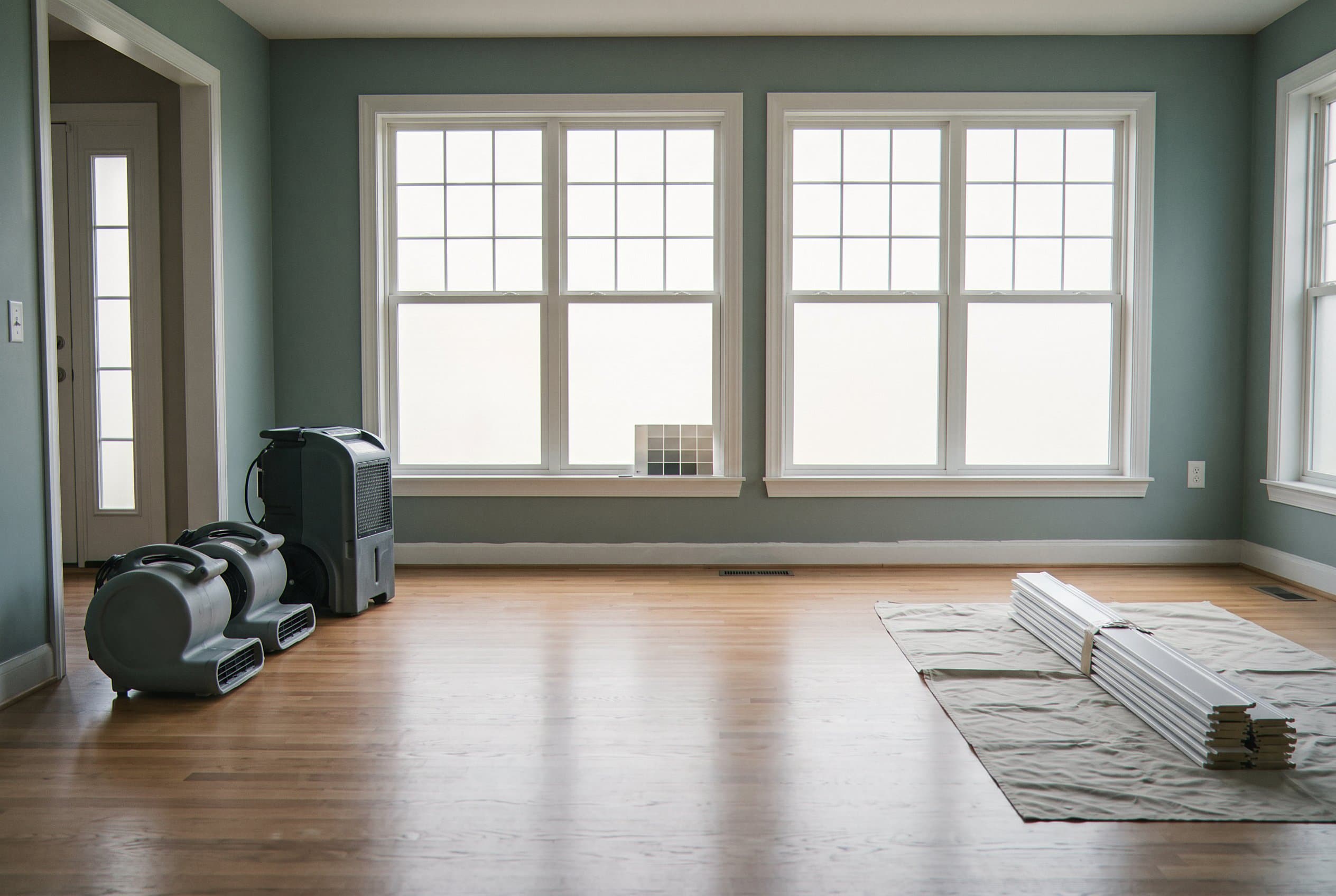
Dehumidifier and air mover equipment in flooded space
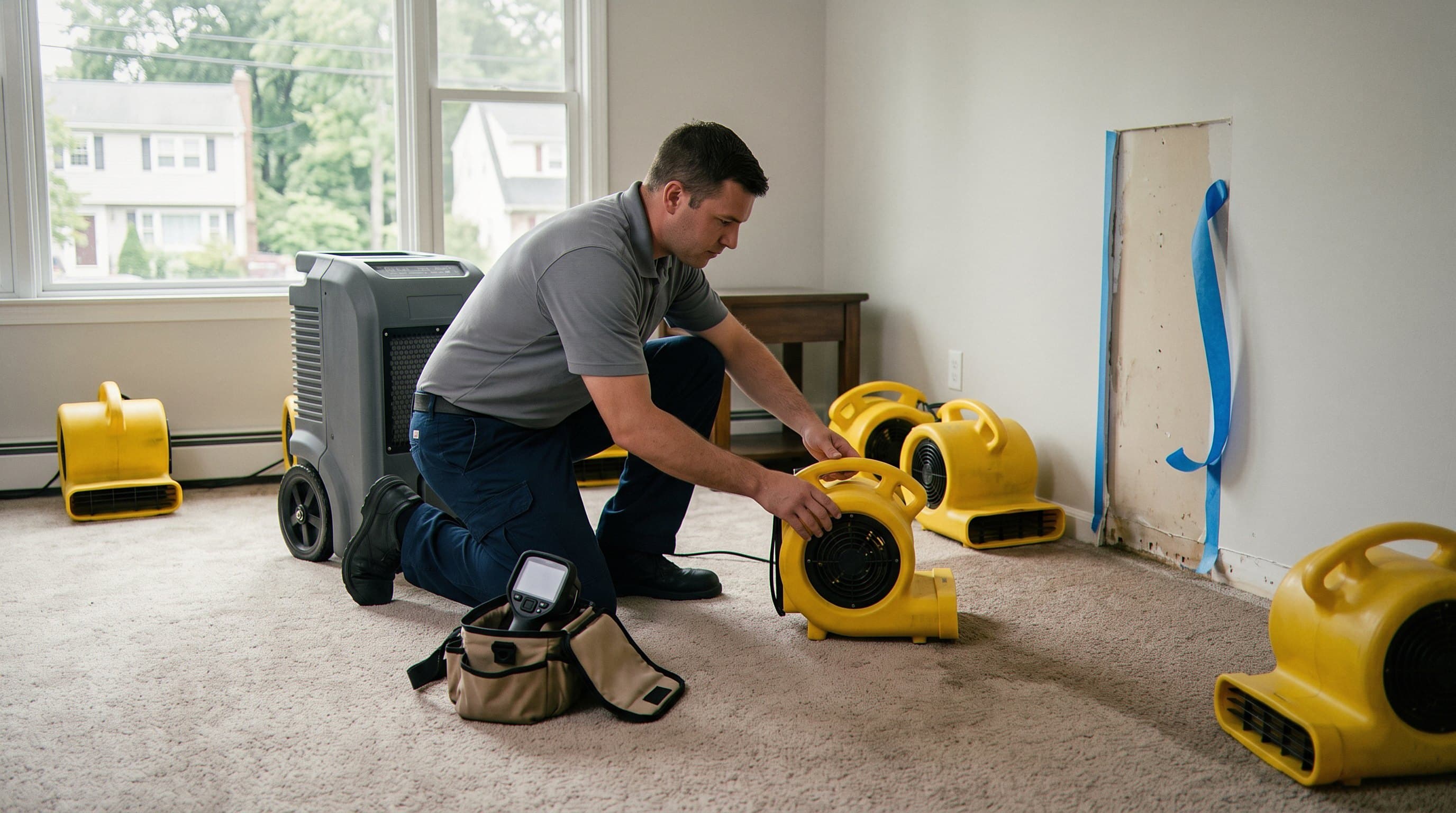
Air movers running to dry structural framing
What about the alternatives?

Ways to dry a wet home, and what we actually use

Not every drying method fits every job, and some are flat out a waste of time. Here is how the common options stack up for a Naperville home, and where our crew lands.

Air movers plus dehumidifiers, monitored daily

The method we trust. Fans lift the moisture, dehumidifiers carry it out, and daily meter readings prove the home is drying. This is the approach the IICRC drying standard is built around.

Recommended

Refrigerant dehumidifiers for heavy moisture

Strong choice for a soaked basement in humid weather. We bring these when the air is thick with water and a standard unit cannot keep up. Solid as part of a full setup.

Acceptable

Desiccant drying for dense materials

Useful when concrete, plaster, or hardwood holds water deep inside. It dries the air very low, so stubborn materials give up their moisture. We use it on the tough cases.

Acceptable

Heat assisted drying

Adding controlled heat can speed things up on certain jobs. It needs care, because too much heat can harm finishes. Fine in the right hands on the right surface.

Acceptable

Opening windows and box fans

On a humid Naperville day this can pull more moisture in than it removes. Box fans move air but cannot take water out of it. This stalls real drying.

Skip

Letting it air dry on its own

The slowest and riskiest path. Mold can start within a day or two while wet materials sit, and the damage spreads while you wait. We never advise this.

Skip
How it goes

From quote to walk-on, fast.

01

Your inquiry

Call or send the short form with what is going on at your place. A sentence or two is plenty for the first step.

02

We talk it through

We go over the situation on the phone, ask the questions that matter, and tell you what we would do next.

03

A clear plan

You get a plain-language rundown of the work, the order it happens in, and what to expect on the day.

04

The work gets done

Our crew shows up when we said, does the job, and walks you through the result before leaving.

Before you book

Straight answers before we start

Drying brings up a lot of questions, and you deserve plain answers before machines fill your home. Here is what Naperville owners ask us most.

Why not just wait for it to dry on its own?
Because waiting is how a small water problem turns into a mold and rebuild problem. Wet wood and drywall can start growing mold within a day or two. The faster we dry, the less of your home you have to tear out and replace. Drying with equipment costs far less than rebuilding rooms.
How long does drying a Naperville home take?
Most homes dry in three to five days, though it depends on how much water came in and what got wet. Drywall dries quickly. Concrete and thick framing take longer. We take readings every day, so you are never left guessing, and we pull the gear the moment the numbers say the home is dry.
Are the air movers and dehumidifiers loud?
They do make steady noise, and they give off some warmth while they run. We place them to dry your home as fast as we can, which keeps the total run time short. Most owners tell us a few noisy days beats weeks of damage. We never leave more gear running than the job needs.
How fast can drying start in Naperville?
We aim to be at your door fast, often the same day you call. Once the standing water is out, our crew gets meters on the walls and air movers running on the same visit. Early drying is what saves your floors and framing, so we do not wait.
Will my floors and walls be ruined?
Often no, if we reach them in time. Hardwood, subfloor, and framing can often be saved when drying starts early and stays steady. That is the whole point of fast structural drying. The longer water sits, the more we have to remove, so calling early gives your home the best shot.
Do you check for mold while you dry?
Yes. Drying fast is our first line against mold, and we watch every wet area as we go. We follow the EPA guidance on moisture and mold while we work. If we find growth that has taken hold, we will tell you straight and walk you through what comes next.
Aftercare

Keeping your Naperville home dry after we leave

Once your home reads dry, a little upkeep keeps it that way. Naperville sees heavy spring rain, fast snowmelt, and the kind of summer humidity that works its way into a basement. Most repeat water problems trace back to the same handful of weak spots. Stay ahead of these and you cut your odds of calling us back. Here is what we tell every owner before we pack up.

  • Test your sump pump before each spring, and keep a battery backup ready for storm outages.
  • Clear gutters and aim downspouts well away from the foundation so rain does not pool at the walls.
  • Watch your basement humidity, and run a dehumidifier through the humid Naperville summer.
  • Seal cracks in the foundation and basement floor before water finds them.
  • Locate the main water shutoff today, and you can choke off a burst line in seconds.
  • Check under sinks and around the water heater now and then for slow leaks before they spread.
Dried basement ready for restoration work
FAQ

Common questions about structural drying in Naperville

Ready when you are

Let's make your next steps easier

Tell us what is going on at your Naperville home and we will walk you through the options. One call or one short form is all it takes.

Call (331) 244-1526Make your inquiry
CallContact us