
How we handle mold in Naperville homes
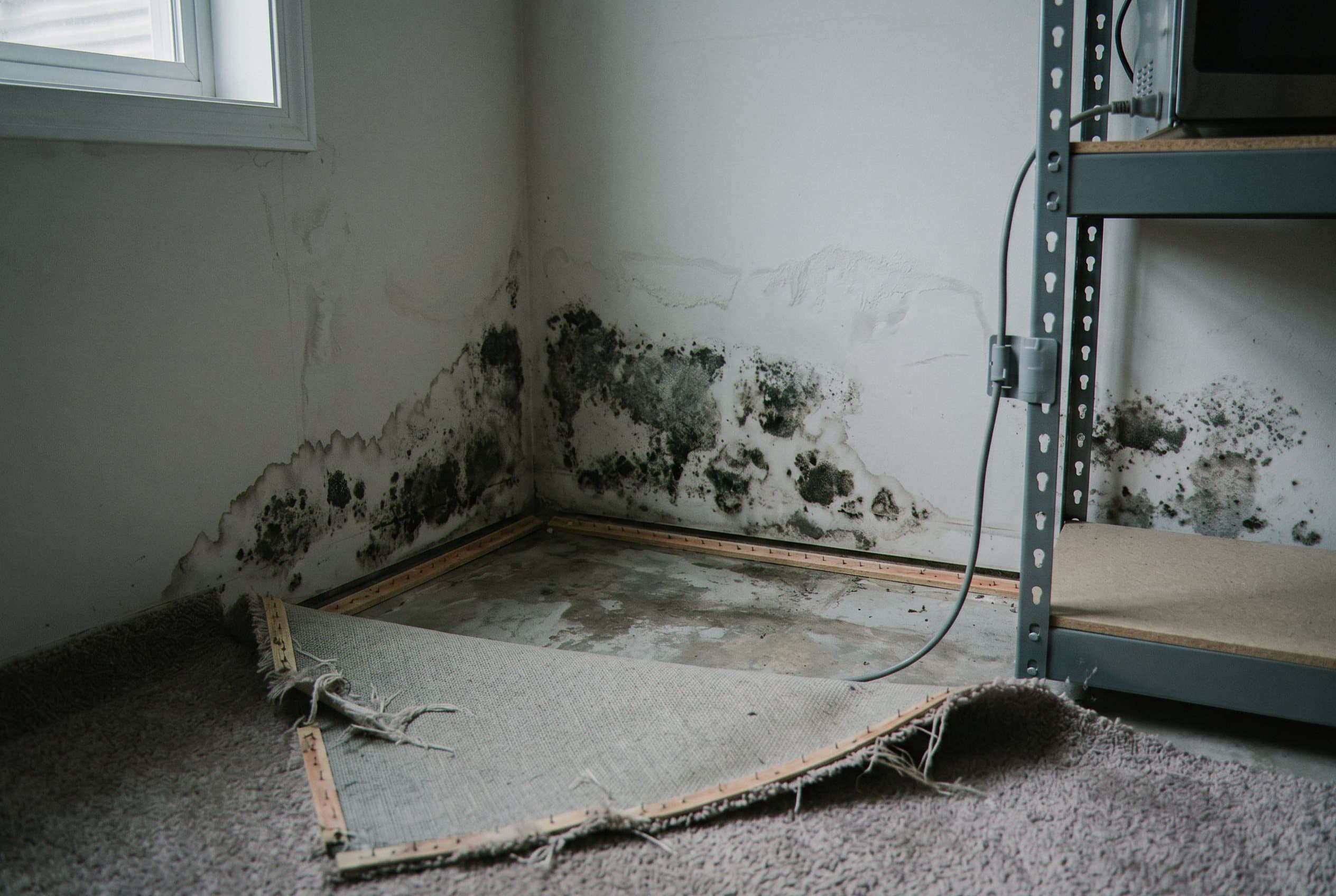
Mold grows where water lingers. In Naperville that often means a damp basement, a slow leak under a sink, or a wall that stayed wet after a storm pushed water through the foundation. We start by reading the moisture, not just the stain you can see. We use meters and probes to find where the water actually went, because mold spreads behind drywall and under flooring long before it shows on the surface. Once we know the full reach, we plan the work around it. Guessing leads to repeat jobs, so we map the problem first and treat the whole affected area, not one visible patch on a wall. Naperville basements are where most of our calls start, since a finished lower level can trap moisture against a foundation wall for weeks. We check behind paneling, under carpet pad, and along the bottom plate where water hides best.
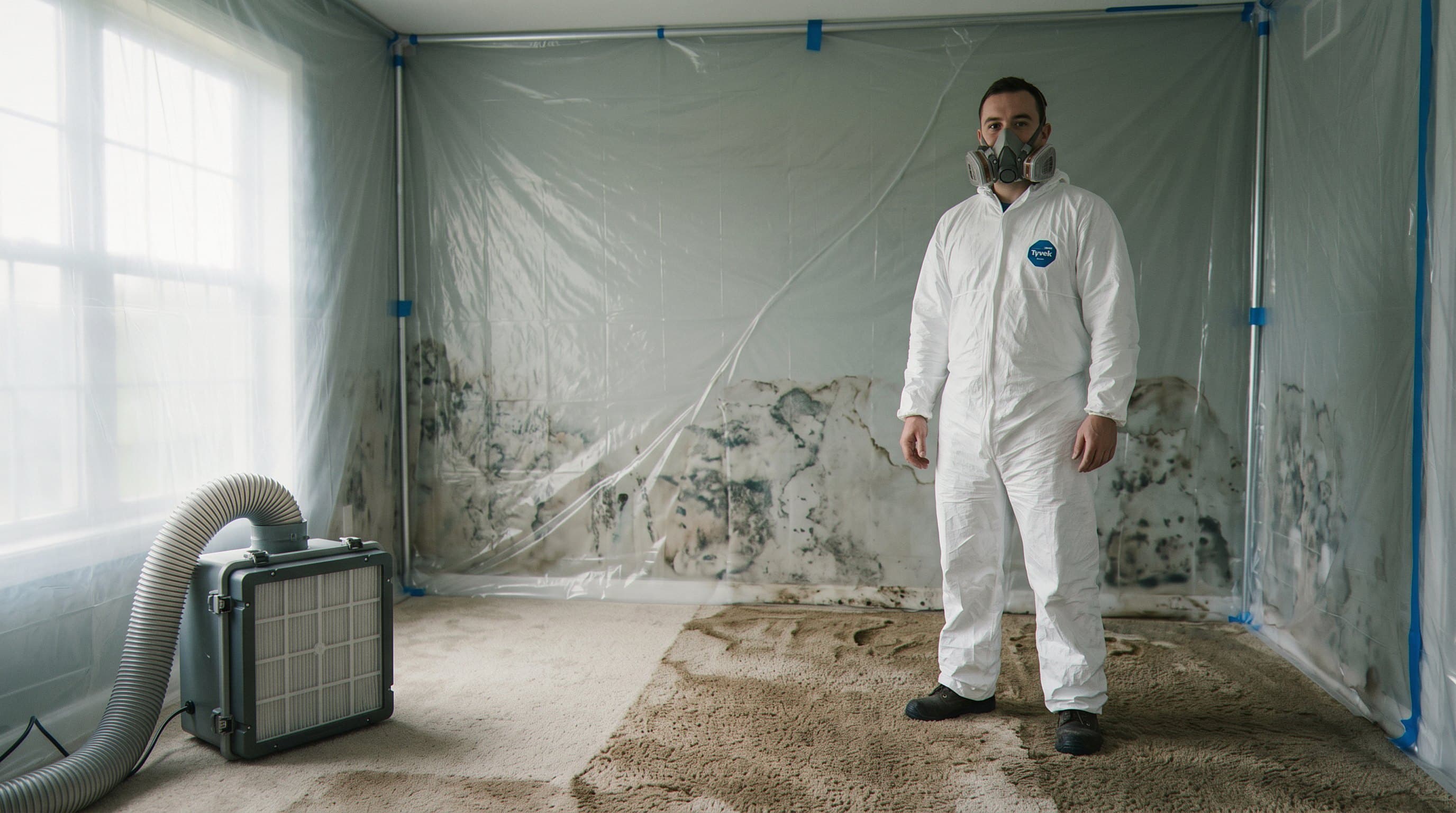
Containment comes next. We seal off the work zone with plastic sheeting and run negative air so spores do not drift into clean rooms while we cut and clean. Our crew wears the right gear and follows the same standards the IICRC and EPA set for mold work. We remove materials that cannot be saved, scrub and treat what can stay, and bag the debris before it leaves the house. Then we dry the structure with commercial air movers and dehumidifiers until the readings come back to a normal level. Drying is the step most jobs skip, and it is the reason mold returns. We do not call it done until the numbers say it is. We also photograph each stage so you can see what we found, what we pulled, and what the drying did. That record helps if you file with your insurer, and it keeps everyone honest about the scope.
- We trace the moisture back to its source, so the same wall does not grow mold again next humid season.
- Sealed containment and negative air keep spores from spreading to bedrooms and living space while we work.
- We follow IICRC and EPA guidance for mold removal, from the first containment setup through the final wipe down and clearance check.
- We dry the structure with real equipment and verify the readings, not just wipe the surface.
- One local crew answers the phone, walks the home with you, and handles the whole job from the first look to the final dry.
Naperville weather makes mold a year round problem. Humid summers load the air with moisture, and a basement that feels cool can hold damp long after a wet stretch passes. In winter a frozen pipe can split and soak a wall for hours before anyone notices, and that hidden water feeds mold for weeks. We see both across DuPage County, from older homes near the river to newer builds out toward the edges of town. Whatever caused yours, we treat the cause and the result together. Clearing the mold without fixing the moisture just buys time, so we close the loop on both. If the mold traces back to a sump that quit, a gutter dumping at the foundation, or a slab crack letting groundwater in, we tell you plainly so the fix sticks.
If you smell something musty or see a dark patch creeping along a wall, call us. We will walk the home, find the water behind it, and lay out what the cleanup takes in plain terms. The sooner we look, the smaller the job stays. We answer our own phone, so the person you talk to is the same crew that shows up at your door.