Flood Damage Cleanup · Naperville

Flood Damage Cleanup in Naperville, IL

When a storm or a failed sump pump floods your home, our crew arrives ready to pump, extract, and dry. We cover Naperville and the rest of DuPage County.

Free Quote

Free Flood Damage Cleanup quote.

We reply within 1 business hour. No spam, ever.

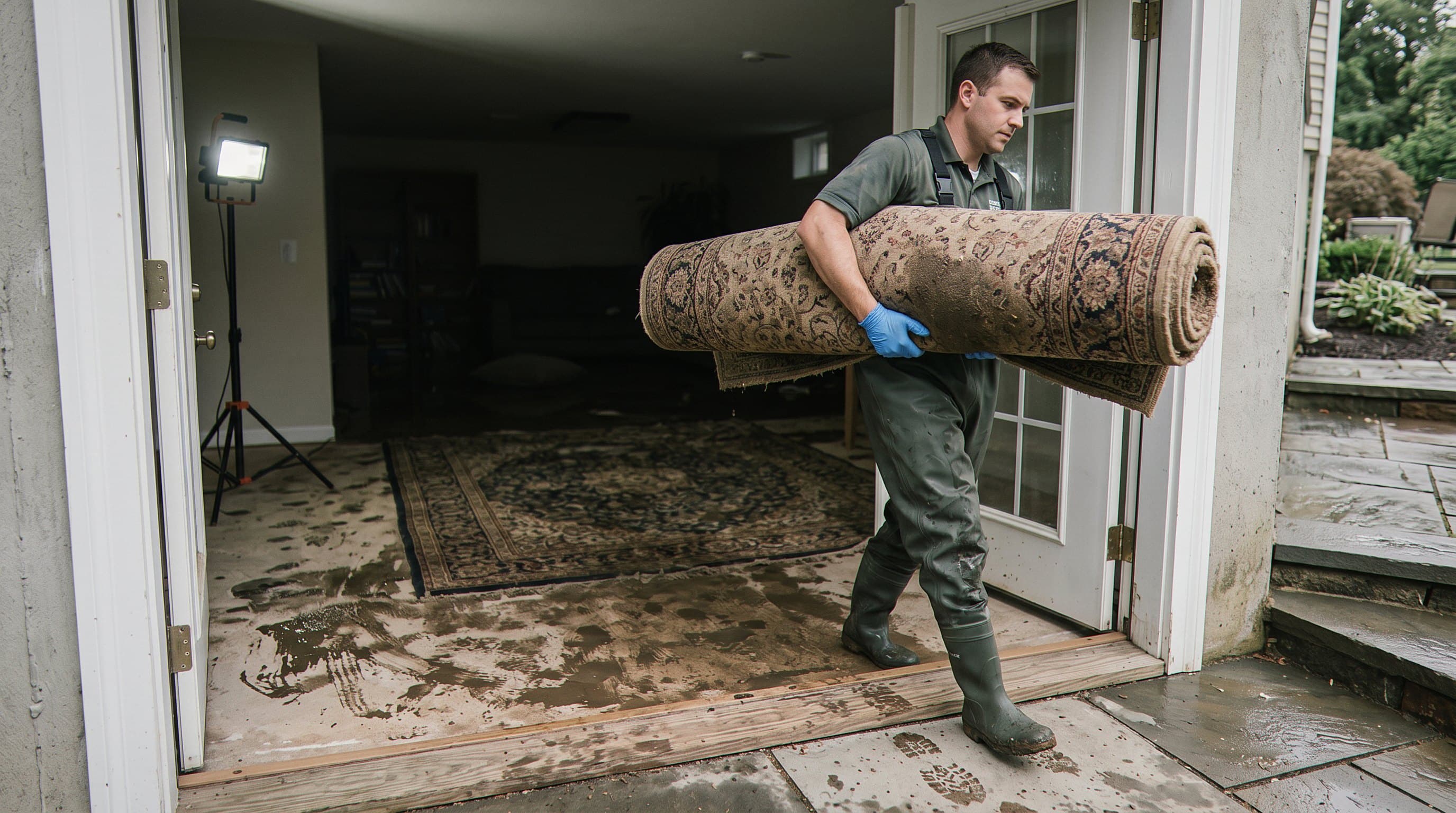
Technician removing flooded carpet from damaged room
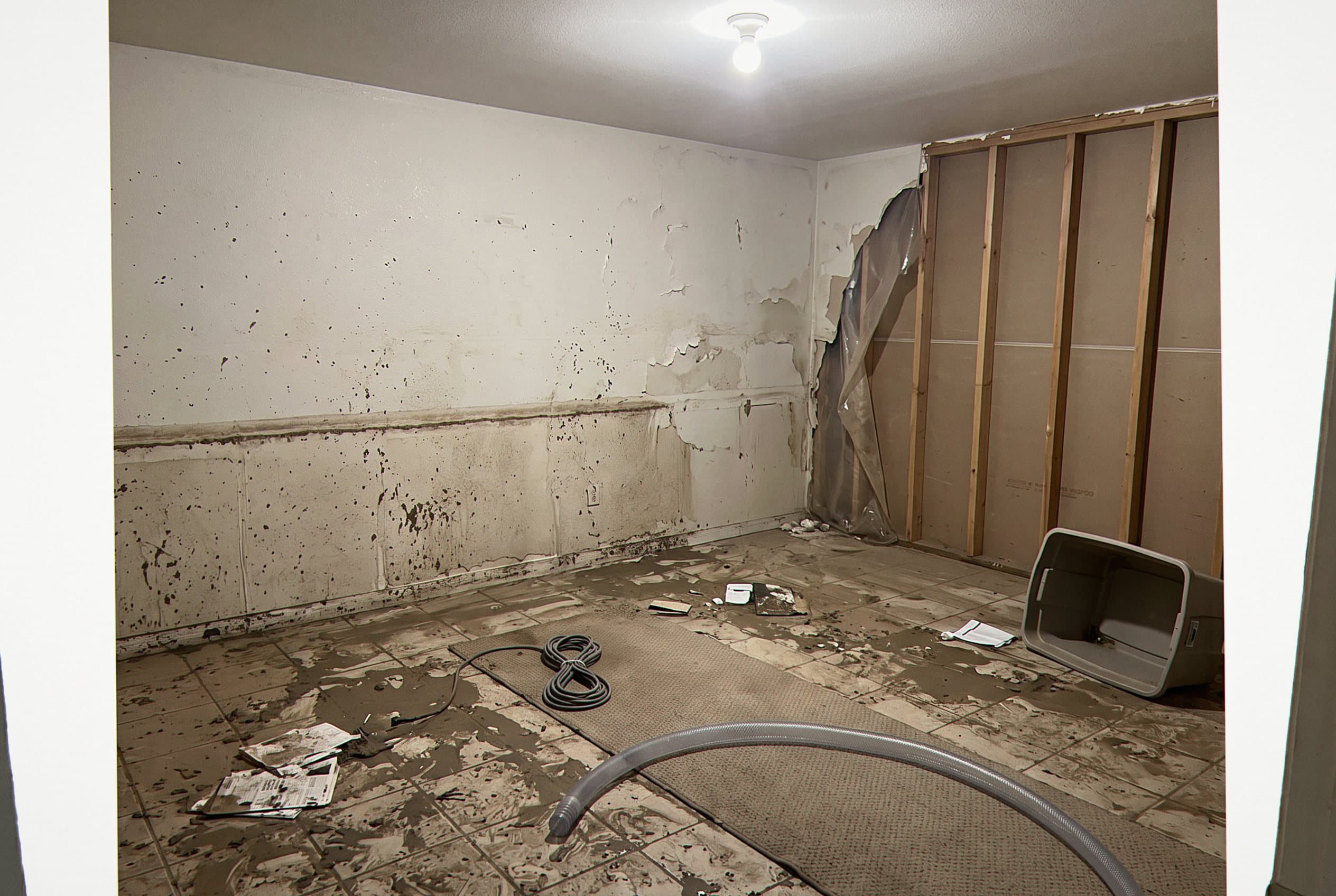
Basement flooded with mud and standing water
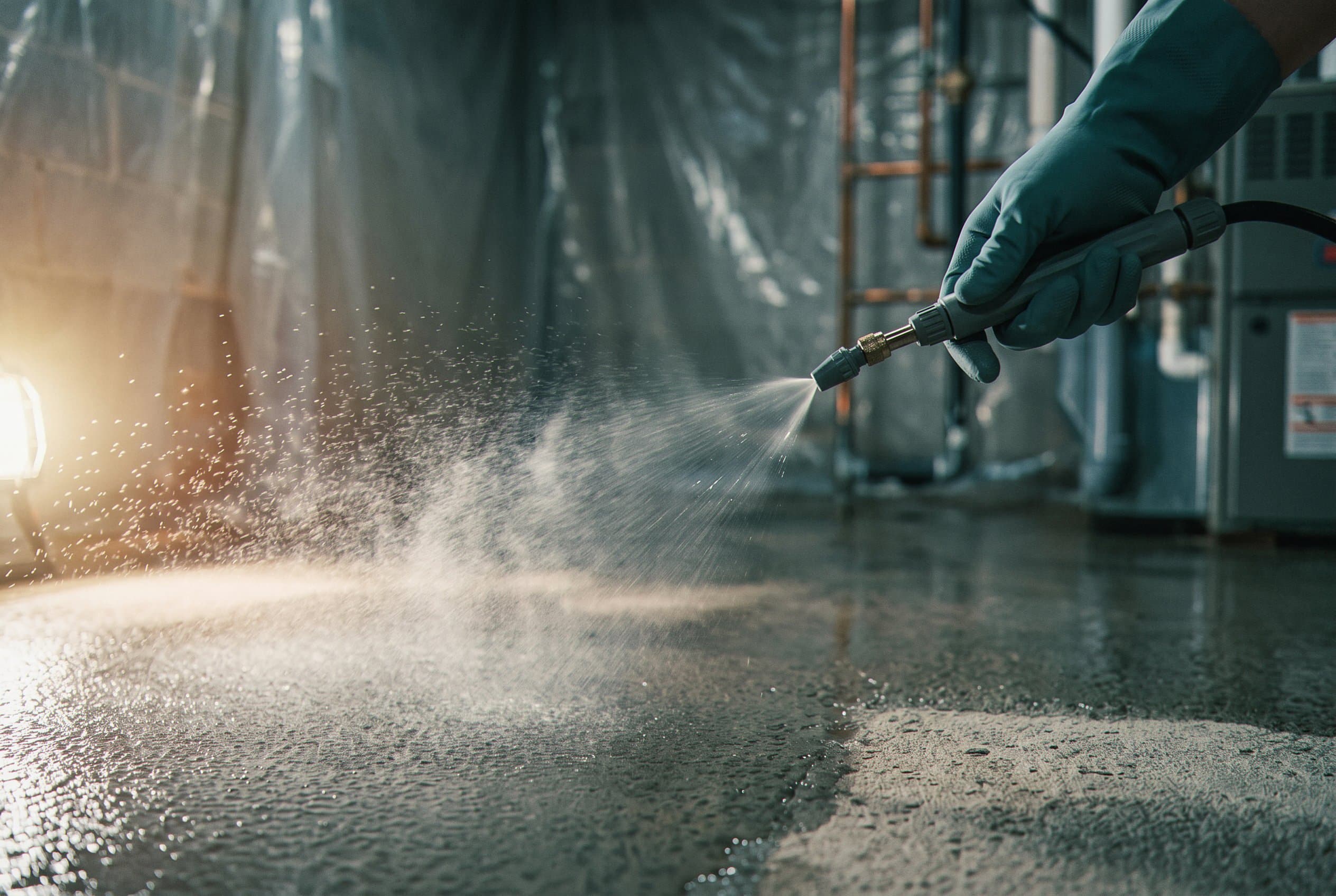
Mud and sediment residue on damaged subfloor
What we install

How we handle a flooded home

A flood does not wait, so we do not either. When you call, we head out with pumps, truck mounted extractors, and moisture meters loaded and ready, because the first hour after a flood decides how much of your home you actually keep. Our first job is to stop the water from spreading. Then we pump out what is standing and pull the rest from carpet, pad, and subfloor. In Naperville, a lot of flooding starts in the basement, where storm runoff and a tired sump pump meet on the same bad night. We have seen it across town, from older homes near the river to newer builds out by Route 59.

Once the water is gone, the clock really starts. Wet drywall, trim, and framing can grow mold within a day or two if they sit damp, which is why drying is the part of the job that actually protects your home. We set air movers and dehumidifiers to drive moisture out of the building, and we check the readings every day until the wood and plaster read dry. If a wall or a stretch of flooring is too far gone, we open it up, clear the ruined material, and clean what stays. You get straight answers. We tell you what can be saved and what cannot.

  • We pump and extract standing flood water fast, before it soaks deeper into the structure.
  • Truck mounted gear lets us move serious volume out of a basement in one visit.
  • We dry the building with commercial air movers and meter it daily until it reads dry.
  • We pull ruined carpet, pad, and drywall, then clean and treat what is left to slow mold.
  • One Naperville crew handles the whole job, from the first pump to the last dry reading.
We do not just push the water out and walk away. We dry the home, prove it is dry, and clean up so your family can move back in.

Flood water is rarely clean. Storm flooding picks up whatever sits in the yard, the street, and the storm drain, so we treat it as a health risk and gear up to match. Our crew wears proper protection, bags the contaminated material, and wipes down the surfaces that stay. We also watch for the hidden water that hides under cabinets, behind baseboards, and below the bottom plate of a wall. That trapped moisture is what turns a one day cleanup into a month of mold if it gets missed.

If your Naperville home took on flood water, call us now. The sooner we pump and dry, the less you lose to mold and warped flooring. We answer the phone, and we do the work ourselves.
Materials

The gear we bring to a flooded home

We do not hand you a rental pump and wish you luck. We show up with the same gear a real flood job needs, the kind of pumps and drying equipment that move water by the hundreds of gallons instead of the bucket. Submersible and trash pumps move the standing water. Truck mounted extractors pull the deep water out of carpet and pad. Commercial air movers and dehumidifiers then dry the structure from the inside out, and moisture meters tell us when the job is truly done.

The right tool depends on what flooded and how far it spread. A few inches in a finished basement calls for extraction, drying, and a careful look behind the walls, while a foot of muddy storm water means pumps first and then demolition of the soaked drywall and pad before any drying makes sense. We bring all of it. Nobody wants to wait on a crew that drove back to the shop for a part while the floor sits wet.

  • Submersible and trash pumps for standing water
  • Truck mounted extractors for soaked carpet and pad
  • Air movers and dehumidifiers that dry the structure
  • Moisture meters that confirm the home reads dry
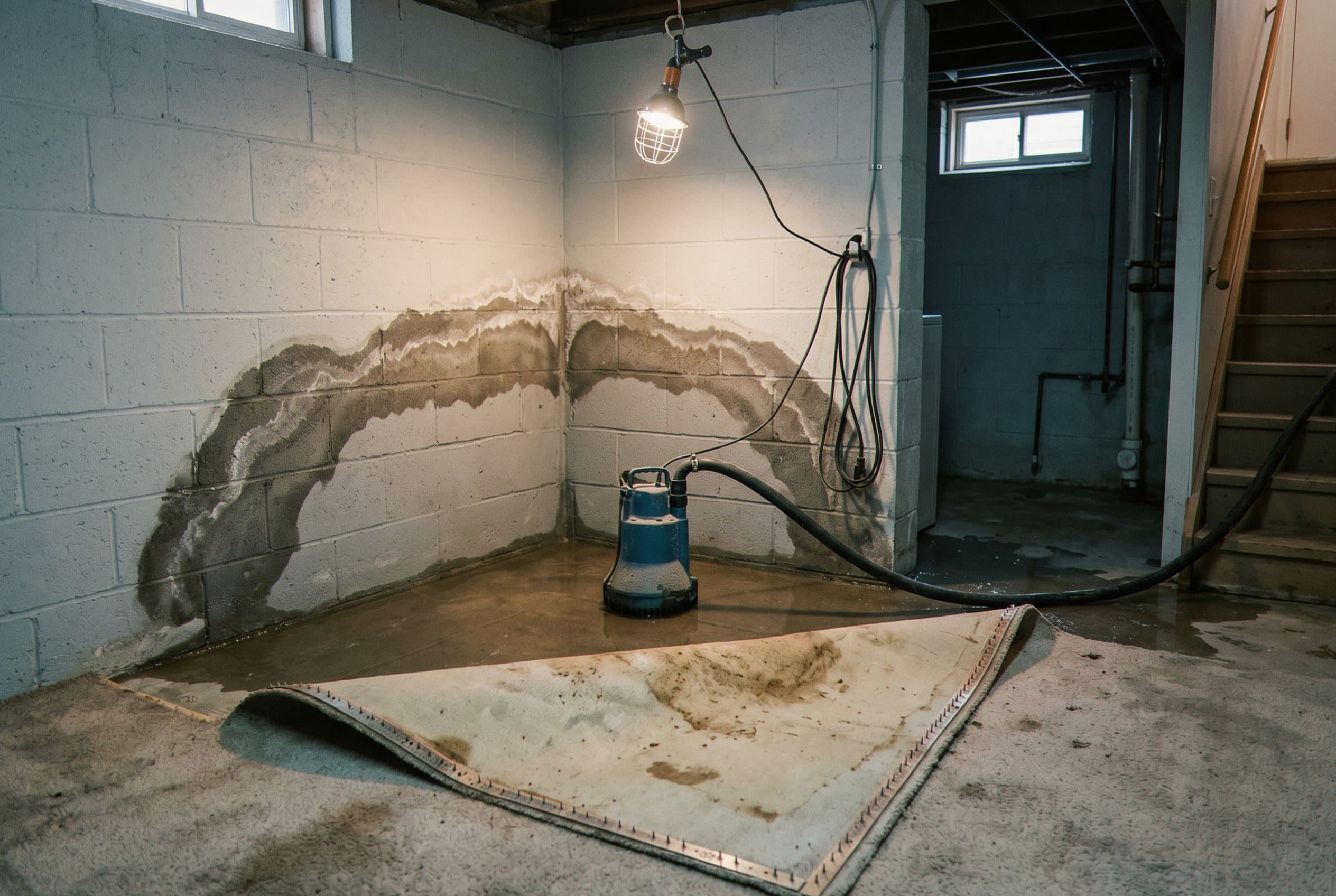
Submersible pump and extraction hoses deployed in flood
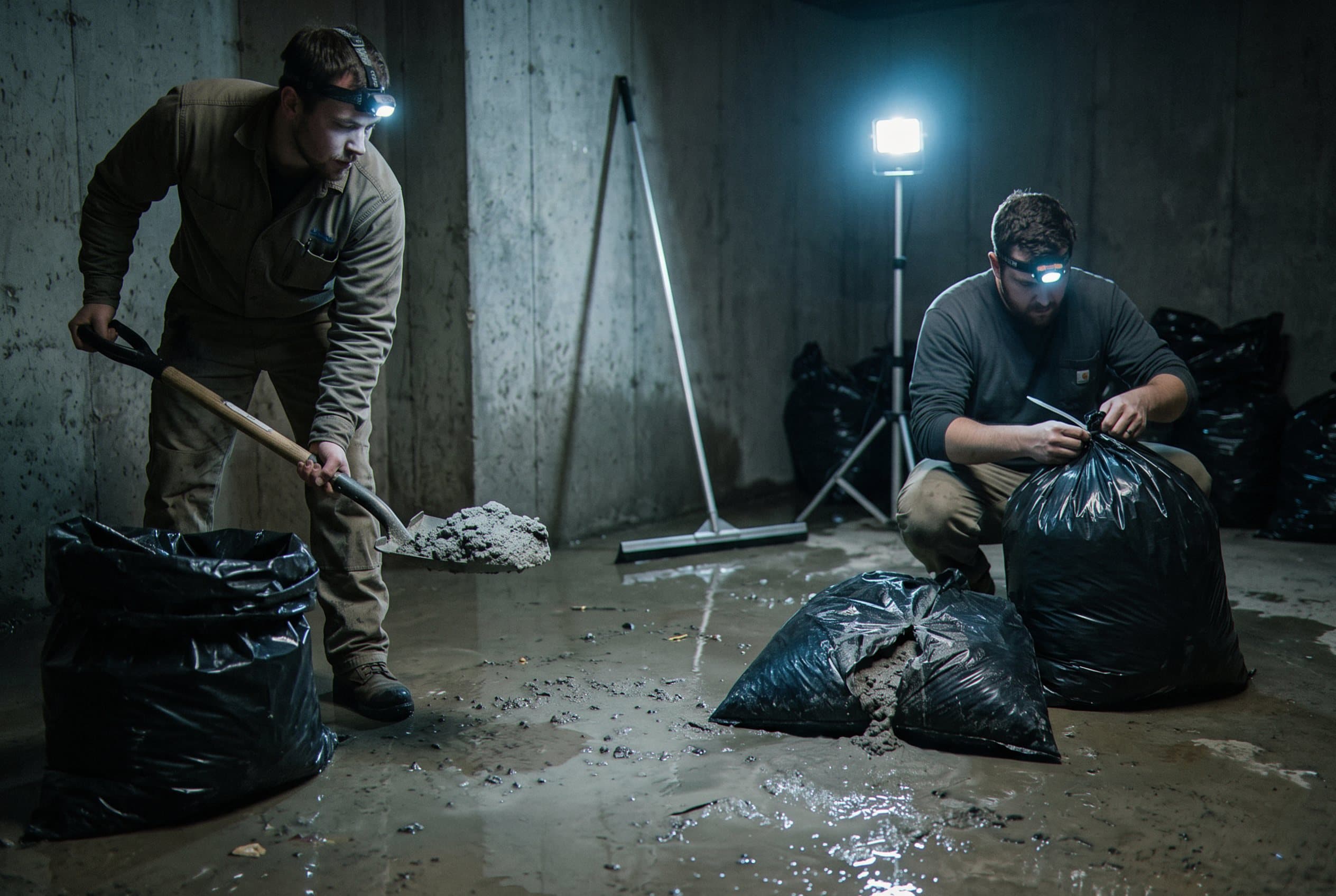
Crew pumping and extracting water from flooded space
What about the alternatives?

Your options when the water comes in

When a flood hits, what you do in the first hour shapes the whole repair. Here is how the common choices play out in a Naperville home.

Call us the moment you see water

We pump, extract, and start drying before mold ever gets a foothold, and because you lose the least material this way it turns out to be the cheapest path once the whole repair is added up.

Recommended

Run a shop vac and box fans yourself

It is fine for a small spill on a hard floor. A real flood is a different animal, and the water trapped in pad and subfloor stays right where it is.

Acceptable

Rent a pump from the hardware store

The pump moves standing water and nothing else, so the soaked drywall, the wet framing, and the hidden water under the floor all sit exactly where they are while the clock on mold keeps running.

Acceptable

Call a plumber first

Smart if a pipe or sump is still failing. The plumber stops the source. Then we handle the rest.

Acceptable

Wait a few days to see if it dries

This is the worst choice you can make, because mold starts within a day or two and the trapped water keeps wicking up the walls until a quick cleanup has quietly become a full gut job.

Skip

Paint over the water line and move on

It hides the stain. The wet framing behind it does not care, and soon the mold and the smell come back.

Skip
How it goes

From quote to walk-on, fast.

01

Your inquiry

Call or send the short form with what is going on at your place. A sentence or two is plenty for the first step.

02

We talk it through

We go over the situation on the phone, ask the questions that matter, and tell you what we would do next.

03

A clear plan

You get a plain-language rundown of the work, the order it happens in, and what to expect on the day.

04

The work gets done

Our crew shows up when we said, does the job, and walks you through the result before leaving.

Before you book

What homeowners ask us before we start

Flood cleanup is stressful, and the questions are almost always the same. Here is how we answer them.

How fast can you get here after a flood?
We move quickly, because flood damage gets worse by the hour. Call us and we will tell you when our crew can be at your Naperville door, then we head out with the pumps and drying gear already loaded on the truck.
Do I have to leave my home during the cleanup?
Usually not. We can often work around your family, dry one area at a time, and keep the rest of the house livable. If the flood hit hard or the water was dirty, we will tell you straight when staying out is the safer call.
Will you work with my insurance?
Yes. We document the damage with photos and moisture readings as we go, so you have a clear record for your claim. We know the paperwork adjusters expect and we keep it moving.
How fast can flood cleanup start in Naperville?
Often the same day you call. The sooner we pump and dry, the less you lose, so we treat every flood call as urgent and get a crew rolling toward your home as soon as we can.
Can you save my carpet and hardwood floors?
Sometimes. Carpet that sat under clean water for a short time can often be dried and saved. Carpet hit by storm water or sewage usually has to go. Hardwood depends on how long it stayed wet, and we check the moisture before we call it either way.
What about the smell after a flood?
That smell is wet material and early mold. Once we remove the soaked drywall and pad and fully dry the structure, the source is gone. We also treat the surfaces that stay, so the odor does not creep back in.
Aftercare

Keeping flood water out after we leave

Cleanup is only half the battle. Naperville sits on flat ground near the DuPage River, and a hard rain or a fast snowmelt can push water at your basement again next season. A few simple habits keep the next storm from turning into another flood. They cost almost nothing, and every one of them beats paying for a second cleanup down the road.

  • Test your sump pump every few months, and keep a battery backup ready for the storms that knock out the power right when you need the pump most.
  • Clear your gutters and downspouts. Rain should run away from the house, not down against the foundation.
  • Grade the soil to slope away from the walls, and keep an eye on the low spots that pool water after a heavy storm.
  • Seal foundation cracks early. The next big DuPage County rain will find them.
  • Keep stored boxes off the basement floor on shelves or pallets, so a small leak does not ruin everything you own down there.
  • Know where your main water shut off is, so you can cut a burst pipe fast before it floods a whole room.
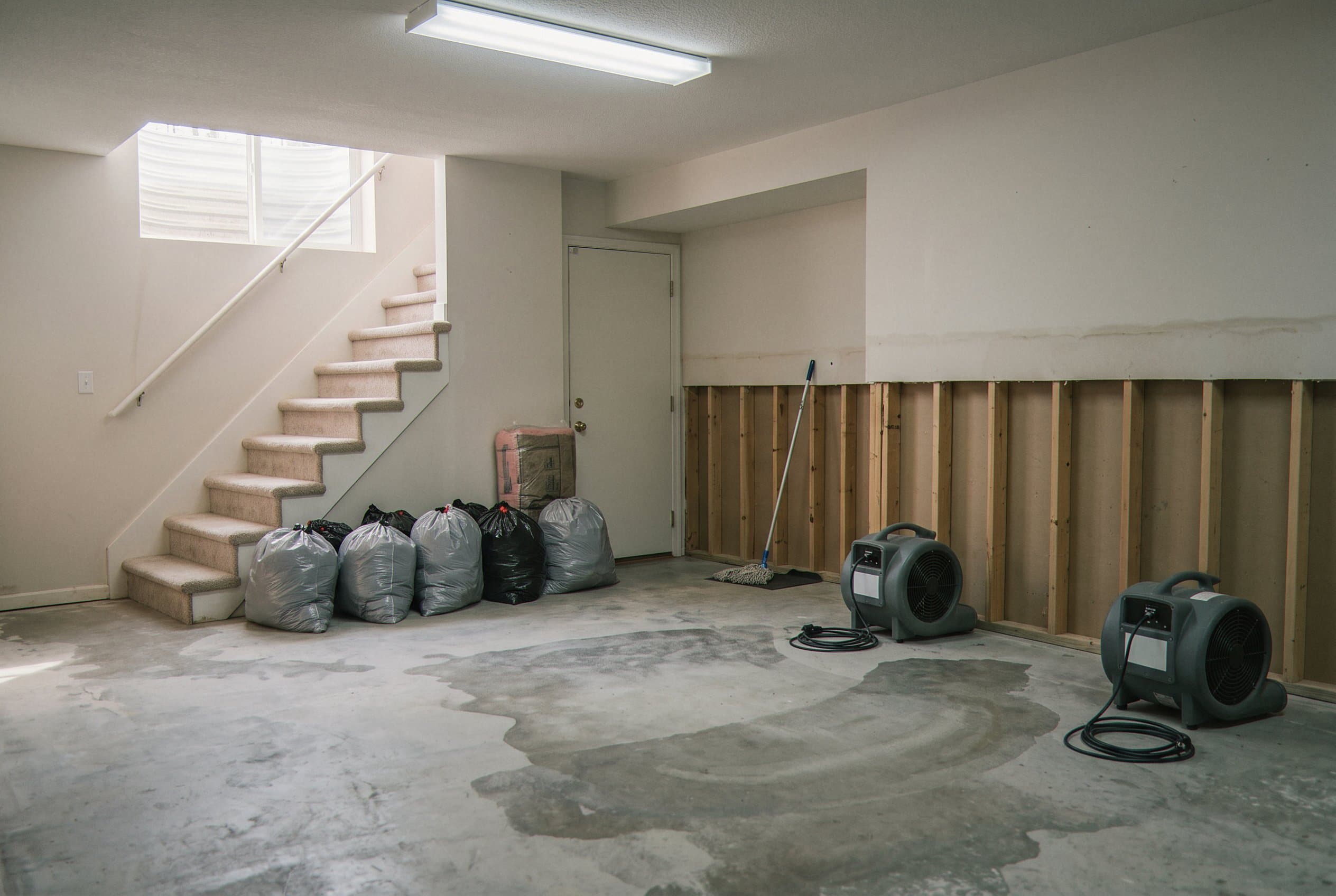
Cleaned basement ready for structural drying phase
FAQ

Flood cleanup questions from Naperville homeowners

Ready when you are

Let's make your next steps easier

Tell us what is going on at your Naperville home and we will walk you through the options. One call or one short form is all it takes.

Call (331) 244-1526Make your inquiry
CallContact us